August 6, 2026
When undertaking a renovation or large-scale cleaning project, local dumpster rentals can be invaluable. They simplify waste disposal and ensure that debris and unwanted materials are handled efficiently. Yet, knowing precisely what to consider before making this decision is critical to avoiding unexpected costs and logistical challenges. Understanding the different sizes available and assessing project requirements are just some of the factors involved. Let's look at a comprehensive overview to help you approach local dumpster rentals with clarity and preparedness.
Understanding Dumpster Sizes
Types of Available Dumpsters
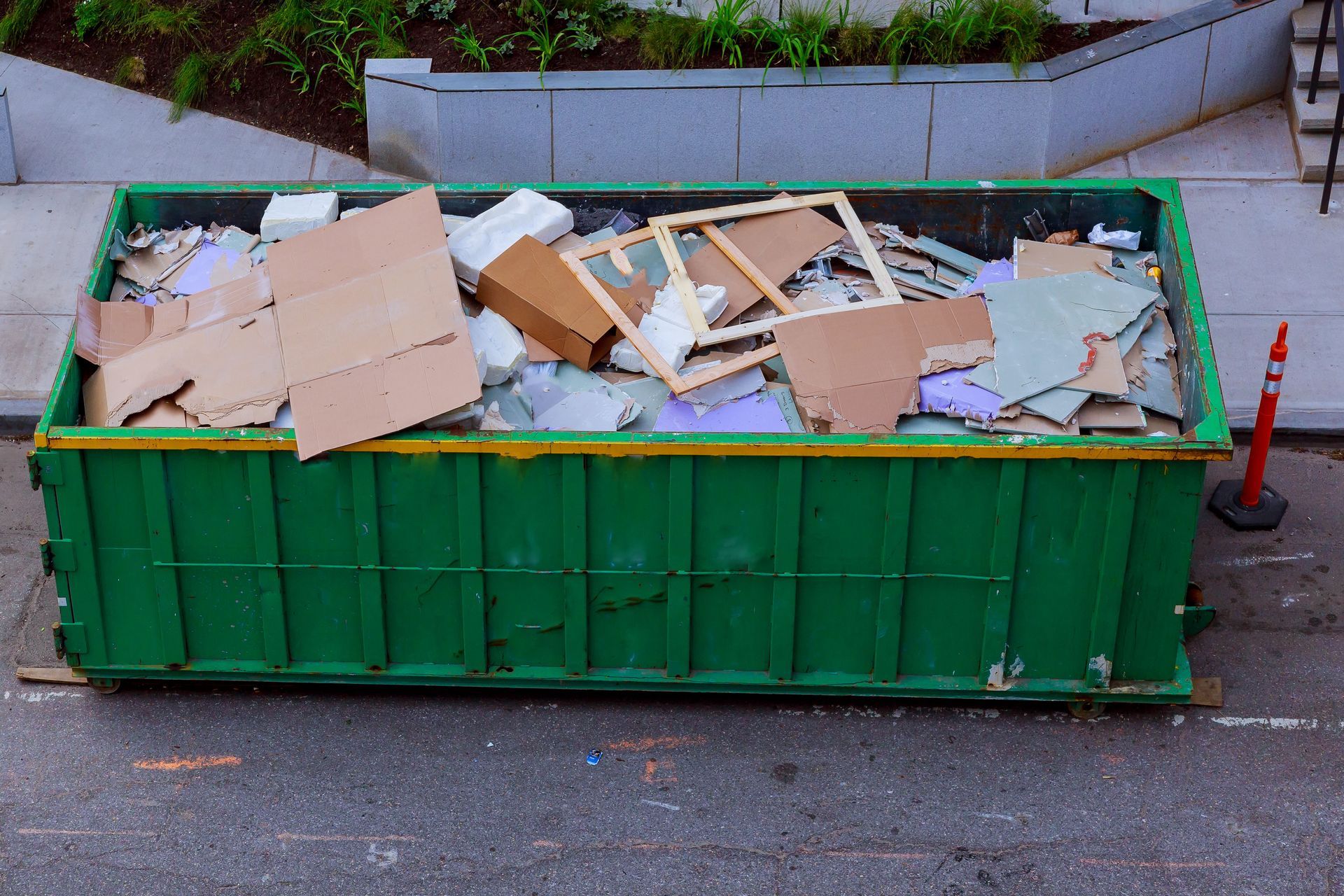
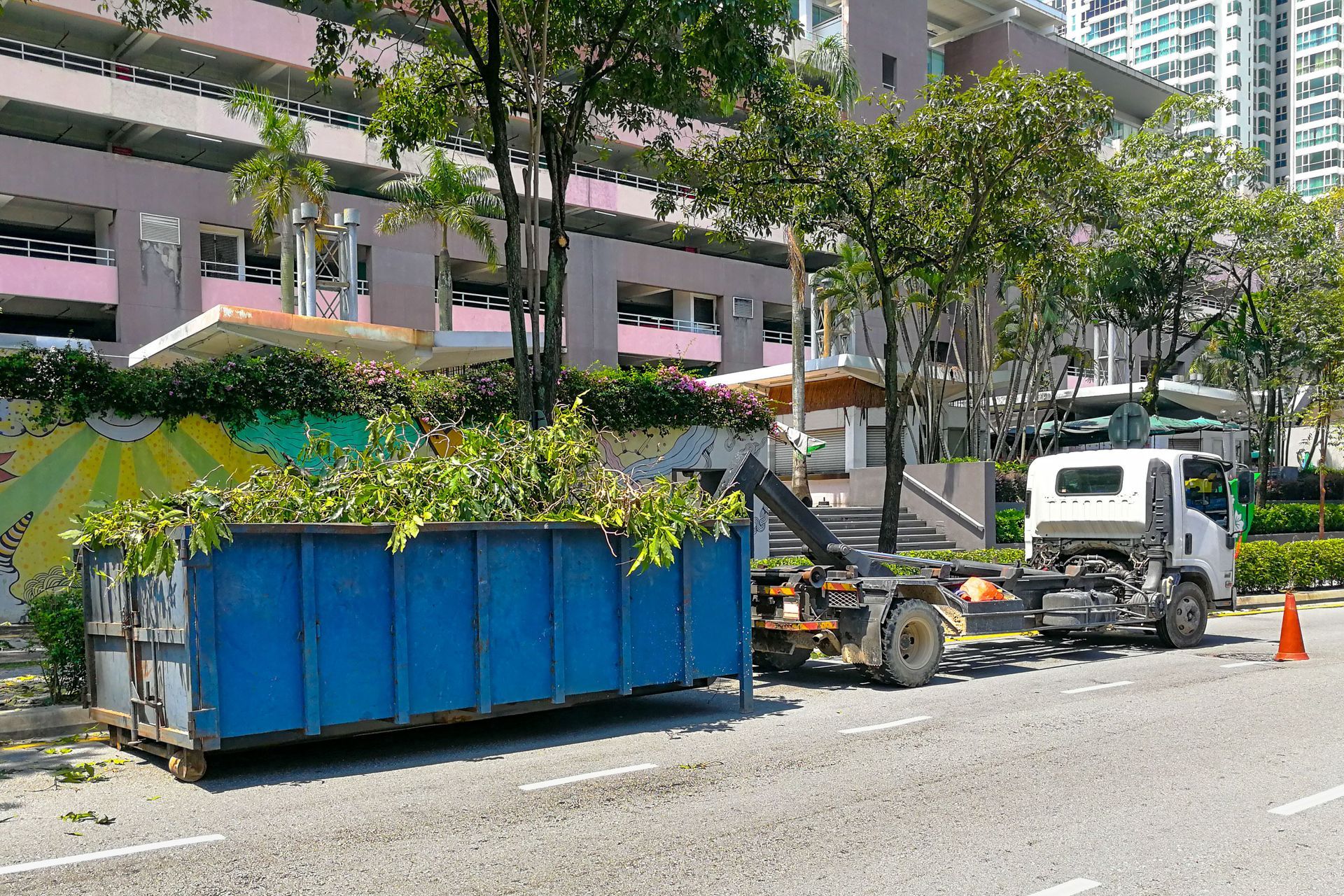
Local dumpster rentals come in a variety of shapes and sizes, each tailored to particular needs. Roll-off dumpsters are prevalent for construction and renovation projects due to their ease of transport and large capacity. Front-load dumpsters, typically smaller, are more suited for commercial businesses with consistent trash production. There are also specialty dumpsters designed for recyclable materials, yard waste, or specific types of debris. Familiarizing yourself with these types ensures that you select a dumpster that aligns perfectly with your project needs.
Choosing the Right Size for Your Project
Selecting the appropriate size for your project is paramount in avoiding unnecessary expenses. A common pitfall is underestimating the amount of waste produced, leading to overflows and the need for additional dumpsters. Most rental companies offer sizes from 10 to 40 cubic yards, with each increment catering to different volumes of waste. A 20-yard dumpster, for instance, is often sufficient for home renovation projects, whereas larger projects might necessitate a 30 or 40-yard container. Taking the time to correctly estimate the volume of waste can save both money and time.
Capacity and Weight Limits
Understanding the capacity and weight limits of local dumpster rentals is crucial to a successful rental experience. Each dumpster has a maximum weight that it can carry, which varies based on size and materials. Overloading a dumpster beyond these limits can lead to additional fees or even legal penalties. Heavy materials like concrete or soil will quickly add to a dumpster's overall weight. Being informed about these constraints helps avoid potential complications and ensures compliance with rental agreements.
Space Requirements for Placement
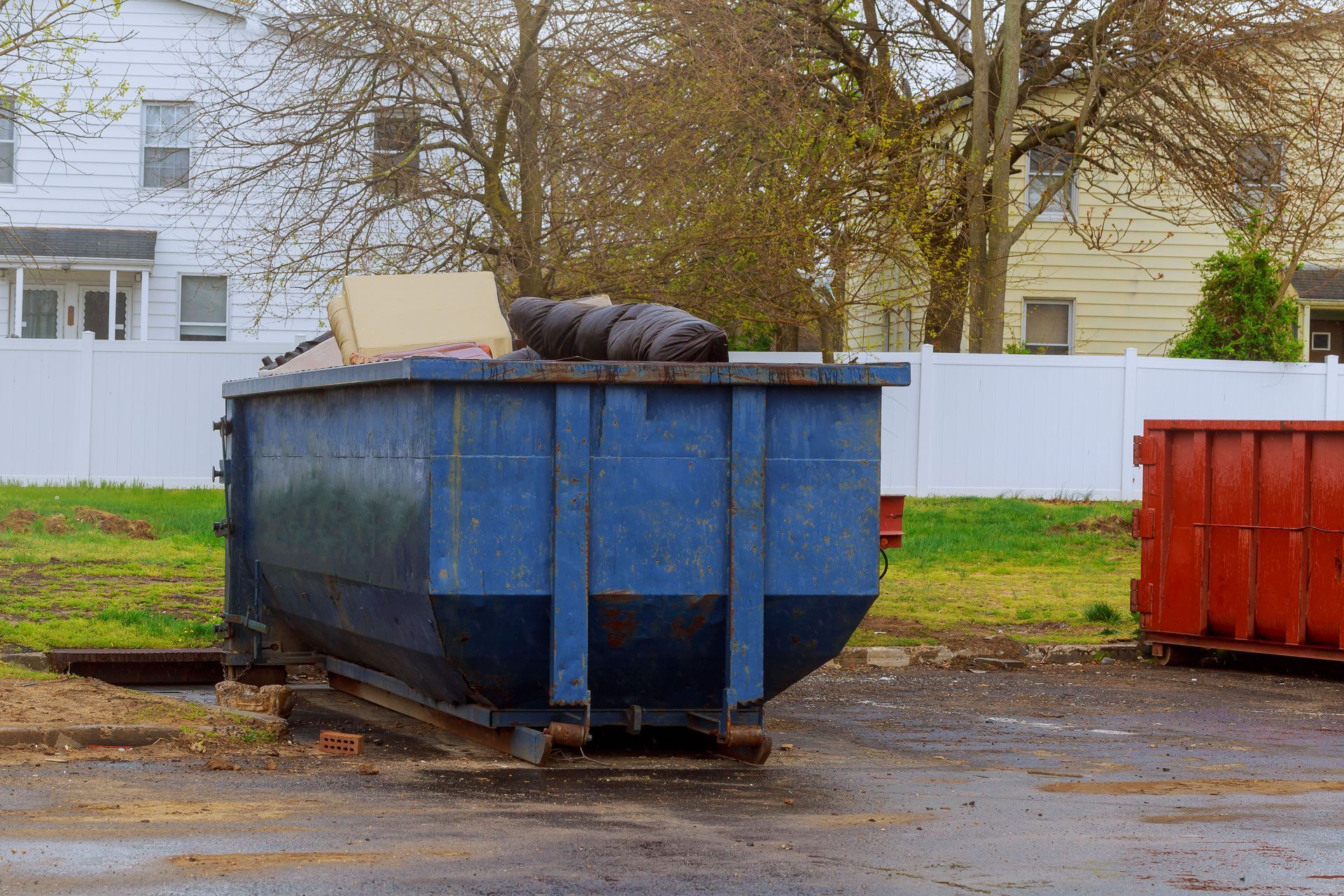
Proper placement of the dumpster is important both for ease of use and access by the rental company. Ensure that there is adequate space not only for the dumpster itself but also for the delivery truck that will transport it. Consider factors such as clearance from overhead wires, proximity to structures, and the condition of the ground where the dumpster will be stationed. Areas prone to mud or water saturation may not hold up well under the pressure of a heavy dumpster. By planning in advance, you can position your dumpster in a location that balances convenience with safety.
Common Mistakes in Sizing
One of the most frequent mistakes people make regarding dumpster sizing is underestimation. This may lead to multiple dumpster deliveries, incurring higher costs, and delaying project timelines. Conversely, opting for excessively large dumpsters can also be unnecessarily expensive. A precise estimation and careful consideration of space can alleviate these issues. Consult with your rental provider or utilize online calculators to better gauge the appropriate size for your needs.
Assessing Project Requirements
Identifying Waste Types
Identifying the type of waste involved in your project is a critical first step in the rental process. Different materials may require different handling techniques or specific types of dumpsters. For instance, hazardous materials like asbestos or chemicals typically cannot be tossed into a regular dumpster. Instead, they require specialized containers and disposal processes. Being upfront about your waste types ensures your rental provider can supply the right resources and guidance for proper disposal.
Estimating Waste Volume
Accurate estimation of waste volume places you in a stronger position to select the right dumpster size. Underestimating the volume can lead to logistical challenges and unexpected costs from overflow or additional pickups. Conversely, overestimating can result in renting a larger dumpster than necessary, needlessly increasing expenses. Most rental companies offer guidance and resources to help customers assess their waste needs accurately. Engage with these tools and the expertise of your provider to make the best possible estimation.
Duration of Rental Needed
Determining the rental duration that aligns with your project timeline is also a key factor. Extended rentals can increase costs, but so can last-minute extensions if the project extends beyond its initial schedule. Discuss with your rental provider the implications of various rental periods and what flexibility exists. Also, maintain communication regarding any changes to your project's timeline to accommodate necessary adjustments. This proactive approach helps keep the project within budget and ensures timely waste disposal.
Understanding Project Scope
Clarifying the full scope of your project offers insight into your dumpster rental needs. Larger renovation efforts may produce more significant quantities of waste than smaller clean-out tasks. As the project evolves, so too may your requirements for waste management; early planning can mitigate this risk. Understanding the project's breadth can also assist in budgeting and scheduling delivery and pickups appropriately. This knowledge forms a foundation upon which all other logistic decisions rest.
Considering Costs
Factors Affecting Price
The cost of local dumpster rentals is influenced by several factors, including the size of the dumpster, rental duration, and the type of waste being disposed of. Location also plays a critical role, with urban areas potentially incurring higher transport fees than rural locales. Special permits or handling for hazardous waste can add to overall expenses as well. Additionally, market dynamics, like seasonal demand, might impact pricing structures from year to year. According to IBISWorld, the dumpster rental industry in the U.S. saw a 5.0% increase to $610.2 million in 2024, demonstrating a growing demand and affecting pricing structures.
Comparing Rental Providers
Shopping around and comparing multiple rental providers before committing is always wise. Each company may offer different price points, service levels, and accompanying benefits like flexible pickup schedules or recycling options. Customer reviews and ratings can offer insights into the reliability and quality of a provider. Engage in discussions with potential providers to clarify their additional services and terms. This comparative analysis better informs your decision, potentially uncovering ways to economize without sacrificing service quality.
Hidden Fees to Watch For
When budgeting for local dumpster rentals, be vigilant about hidden fees that may not be immediately apparent. Additional charges may apply for excess weight, extended rentals, or specific disposal challenges. Some companies might charge fees for distances exceeding a predetermined mileage from the landfill. Transparent discussion about all potential increases with your rental provider helps avoid surprise costs. A well-understood rental agreement eliminates these uncertainties and maintains transparency in expenditure.
Budgeting Effectively
Budgeting effectively for your dumpster rental requires comprehensive cost assessment and contingency planning. Begin with a base estimate of expected charges and build in a buffer for unanticipated expenses. Choosing the right-sized dumpster from the outset minimizes the likelihood of additional fees for multiple pickups. Engage your rental provider's expertise to forecast realistic budget expectations based on your project specifications. Thorough preparation helps keep project costs in line and ensures no financial surprises arise mid-project.
Understanding Contract Terms
Before finalizing your dumpster rental, thoroughly understand all contract terms and conditions. Contracts will contain key information about rental periods, permissible materials, weight limits, and associated fees. Misreading or overlooking these details can lead to breaches and unforeseen charges down the line. Don't hesitate to seek clarifications on any ambiguous text or stipulations. It's crucial to have a clear grasp of your responsibilities and the rental company's commitments to foster a successful rental agreement.
Understanding the intricate aspects of local dumpster rentals encompasses size considerations, cost implications, and effective usage techniques. An educated approach toward each element garners confidence and efficiency throughout your project and contributes to successful completion within budgetary and legal confines. Ultimately, awareness and decisive action are essential to navigating these complex processes and securing optimal benefits from a dumpster rental service. To learn more, reach out to the experts at National Dumpster Service today.